Panel Filters
Flat and rectangular design | Optimal protection for engines, industrial equipment, and ventilation systems
Product Introduction
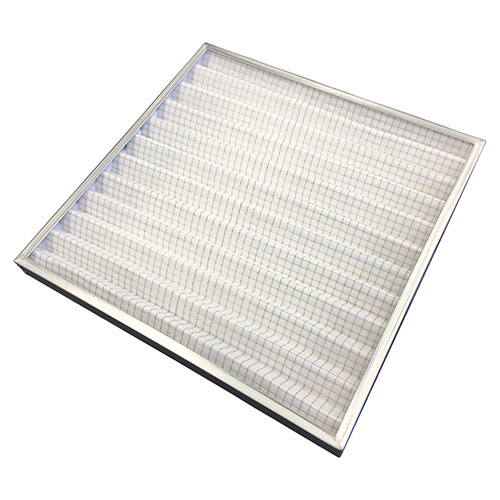
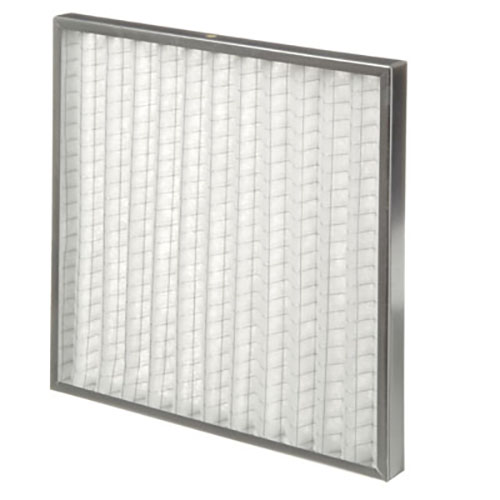
Panel filters are among the most widely used types of air filters, with their flat and rectangular design ensuring optimal protection for engines, industrial equipment, and ventilation systems. With their high capability in removing suspended particles and dust, these filters play a key role in increasing equipment lifespan and reducing maintenance costs.
Structure and Features
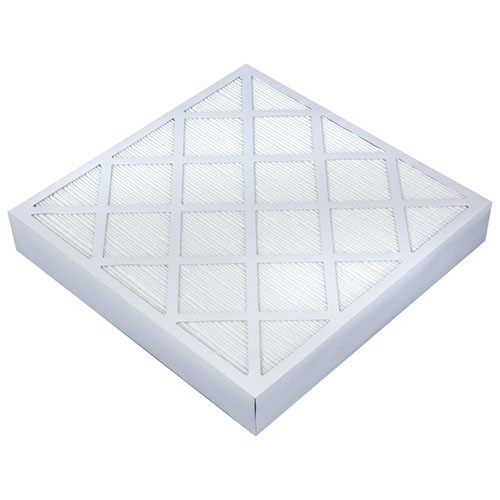
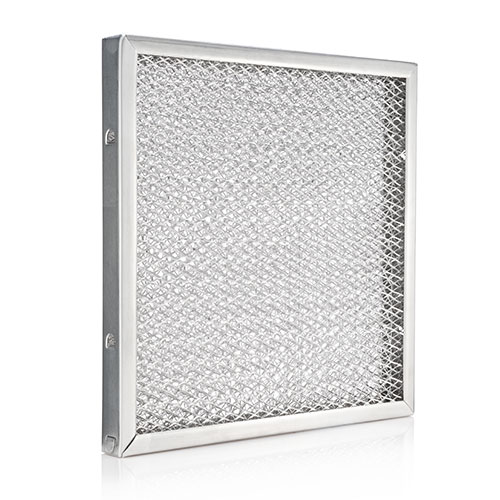
Panel filters are typically made from cellulose fibers, synthetic fibers, or a combination of both, and are presented in metal or plastic frames. This structure provides the filter with high mechanical resistance and optimal airflow.
Effective Filtration
Removal of fine and coarse particles with high efficiency
Reduced Pressure Drop
Stable airflow with minimal pressure drop
High Durability
Resistant to moisture and heat
Wide Compatibility
Usable in various vehicles and industrial ventilation systems
Panel Filter Classification
Panel filters can be classified based on several criteria:
1. Based on Filter Media Type
Suitable for removing dust and large particles, economical and easy to replace
Longer life and ability to absorb finer particles
Combination of cellulose and synthetic for optimal performance and longer life
2. Based on Application
Used in passenger cars, trucks, and commercial vehicles
HVAC systems, CNC machines, compressors, and sensitive equipment
HVAC systems in buildings, hotels, and hospitals
3. Based on Filtration Grade
Removal of larger particles such as dust and dry leaves
Absorption of medium particles and better equipment protection
Removal of fine particles for industrial environments or modern vehicles
Applications
Due to their simple design and high efficiency, panel filters are used in a wide range of applications:
Automotive
Engine air filter, cabin air filter
HVAC
Office and industrial buildings
Industrial Equipment
Compressors, CNC machines, fans
Sensitive Environments
Hospitals, laboratories
Benefits
Extended Service Life
Increased useful life of engines and equipment
Reduced Fuel Consumption
Lower fuel and energy consumption in mechanical systems
Air Quality Preservation
Maintaining environmental air quality and protecting people's health
Cost Reduction
Reduced maintenance and repair costs
Standards
EN 779 Standard
Application Area: HVAC and industrial systems
Objective: Evaluation of air filter efficiency in removing suspended particles from airflow
EN 779 was a European standard that classified air filters based on particulate filtration efficiency and pressure drop. This standard divided filters into two main categories:
- Coarse Filters: Removal of larger particles such as dust and lint
- Fine Filters: Removal of fine particles up to 1 micron and increasing air quality in sensitive environments
Note: EN 779 standard has been replaced in recent years by ISO 16890 to provide a more comprehensive evaluation for suspended particles.
ISO 16890 Standard
Application Area: HVAC and industrial, replacement for EN 779
Objective: Comprehensive evaluation of air filters based on PM10, PM2.5, and PM1 suspended particles
ISO 16890 evaluates air filters based on their filtration efficiency of airborne particles in real-world conditions and divides filters into three main groups:
- ePM10: Filters that remove particles larger than 10 microns
- ePM2.5: Filters that remove particles up to 2.5 microns
- ePM1: Filters that remove very fine particles up to 1 micron
Filter Classification According to Standards
| Filter Type | Class | Efficiency / Particles Removed | Applications |
|---|---|---|---|
| Coarse Filters | G1 | Particles larger than 10 microns | Primary protection of ventilation systems, industrial environments with low dust |
| G2 | Particles larger than 10 microns | Commercial buildings, factories, and warehouses | |
| G3 | Large and medium particles | HVAC systems with higher airflow | |
| G4 | Large and medium particles | Pre-filter in industrial ventilation systems and public buildings | |
| Fine Filters | F5 | Medium particles 1–10 microns | Office buildings, residential and industrial ventilation systems |
| F6 | Medium to fine particles | Environments with high air quality and sensitive equipment | |
| F7 | Fine particles 0.5–2 microns | Light clean rooms, hospitals, final filter in HVAC systems | |
| F8 | Fine particles 0.3–1 micron | Sensitive environments, precision industrial ventilation systems | |
| F9 | Very fine particles <0.3 microns | Environments with ISO Class 7–8 standards, precision ventilation systems |
| Filter Type | Class | Efficiency (Particles ≥0.3 microns) | Applications |
|---|---|---|---|
| HEPA | H10 | 85%–95% | Medium clean rooms, medical equipment, air ventilation in special vehicles |
| H11 | 95%–99% | Hospitals, laboratories, industrial clean rooms | |
| H12 | 99.5%–99.9% | Operating rooms, sensitive industrial and pharmaceutical environments | |
| H13 | 99.95%–99.97% | ISO Class 5–6 clean rooms, semiconductor industries, pharmaceuticals | |
| H14 | 99.995%–99.999% | Ultra-sensitive environments ISO Class 4–5, nanotechnology, vaccine and drug production | |
| ULPA | U15 | ≥99.999% (particles ≥0.12 microns) | Semiconductor manufacturing, nanotechnology, ultra-sensitive laboratories |
| U16 | ≥99.9995% (particles ≥0.12 microns) | ISO Class 1–3 clean rooms, highly sensitive research environments | |
| U17 | ≥99.99995% (particles ≥0.12 microns) | Ultra-specialized industries, research centers with highest cleanliness standards |
Why Sepanta Palayeh Pars?
Manufacturing with World Standards
Compliant with EN 779 and ISO 16890 standards
Variety in Fiber Types
Cellulose, synthetic, and hybrid for different applications
Different Filtration Classes
From G1 to F9 and HEPA/ULPA
Fast Delivery
Stable inventory and immediate delivery
Customization
Production in required dimensions and filtration grades
Technical Support
Consultation for selecting the right filter