



Why Do Industries Need Oil Filters?
The role of industrial oil filters in protecting equipment, ensuring stable performance, and extending system life
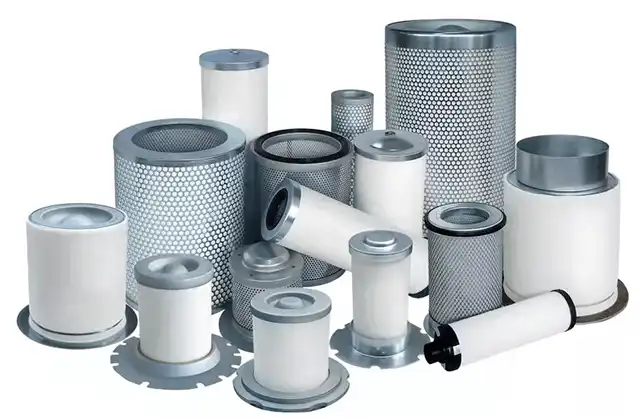
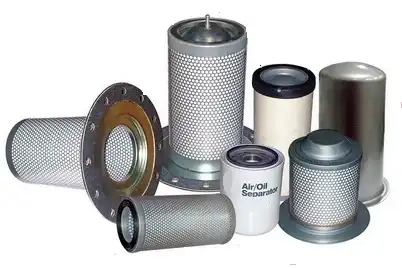
The Importance of Oil Filters in Industrial Equipment
Oil plays a critical role in many industrial machines—from oil‑injected screw compressors and hydraulic systems to gearboxes, industrial engines, and turbines. Beyond lubrication, oil is responsible for cooling, power transmission, and preventing wear between moving parts. However, during continuous operation, metallic wear particles, ambient dust, soot, moisture, and oxidation by‑products inevitably contaminate the oil and degrade its quality.
Industrial oil filters capture and remove these contaminants, keeping the oil within standard cleanliness limits and preventing pollutants from reaching bearings, rotors, pumps, and other sensitive passages. The result is lower wear, fewer costly failures, and preservation of the machine’s designed efficiency.
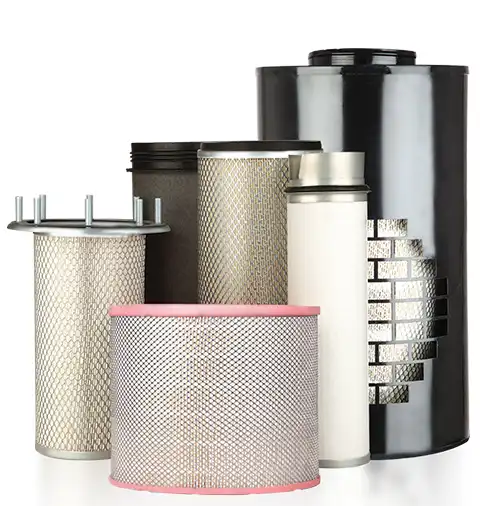
How Does an Oil Filter Protect the System?
An oil filter directs the oil flow through multilayer filtration media that separates suspended particles according to size and nature. In standard filters, the media structure is engineered to stop coarse debris and capture fine contaminants down to a few microns. This process returns clean, stable oil to the lubrication circuit.
In sensitive equipment, even very small particles can cause surface scoring, oil pressure loss, temperature rise, and ultimately seizure or severe system damage. Therefore, an oil filter is not a simple consumable; it is an essential safeguard for industrial reliability and long‑term durability.
Types of Industrial Oil Filters
Oil filters are manufactured in different designs based on system type, flow rate, operating pressure, and contamination level. The most common categories include:
- Screw compressor oil filters to remove particles and protect the airend
- Hydraulic oil filters to safeguard pumps, valves, and cylinders
- Gearbox and power‑transmission filters to control wear and oil temperature
- Return‑line and pressure‑line filters in industrial circuits
- High‑efficiency filters for sensitive industries and heavy‑duty service
Proper filter selection must follow OEM specifications and real operating conditions, since filtration class, dirt‑holding capacity, and pressure resistance directly determine field performance.
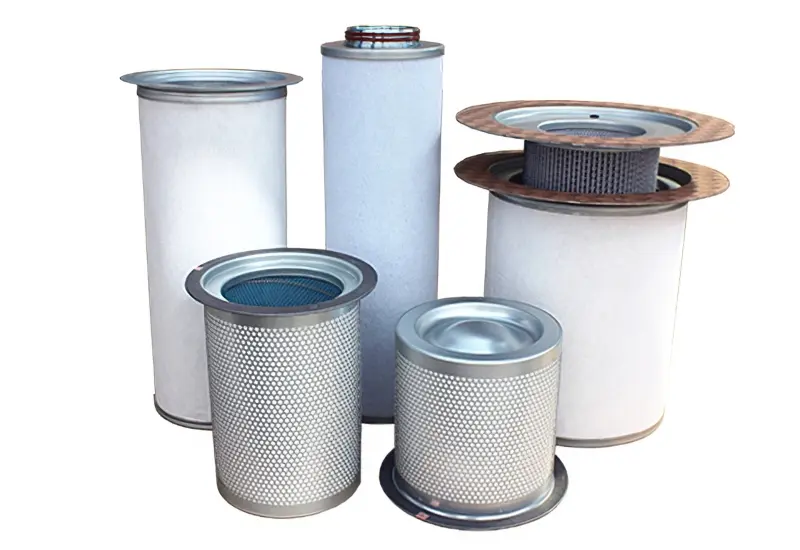
Key Features of a High‑Quality Oil Filter
Precise Filtration Efficiency
Capability to remove fine particles down to a few microns, aligned with the required filtration class.
Controlled Pressure Drop
A standard design should minimize pressure drop to keep oil flow stable and prevent temperature rise.
High Dirt‑Holding Capacity
Dense multilayer media that retains large amounts of contamination without losing effectiveness.
Resistance to Heat and Pressure
Maintains shape and performance under high temperatures, pressure shocks, and flow fluctuations.
Reliable Construction and Sealing
Robust housing and secure sealing to prevent oil bypass and contaminant passage.
Compatibility with Various Oils
Suitable for both mineral and synthetic oils without media degradation or adhesive failure.
Signs That an Oil Filter Needs Replacement
Oil filters become saturated over time. If not replaced, they can restrict flow and reduce performance. Common indicators include:
- Increased oil pressure drop or related alarms
- Reduced lubrication and higher operating temperature
- Darkening or abnormal change in oil color and odor
- Rising noise level or vibration during operation
- Lower efficiency and increased energy consumption
Timely oil filter replacement is a minor cost compared to preventing severe damage and production downtime.
Why Sepanta Palaye Pars?
Specialized Manufacturer of Industrial Oil Filters
Sepanta Palaye Pars designs and produces oil filters for compressors, hydraulic systems, and rotating equipment, delivering products that match industrial standards and real plant requirements.
Three Quality Grades for Different Applications
Economic, industrial, and high‑performance grades allow customers to choose the optimal filter based on duty conditions and budget.
Replacement Solutions for Leading Global Brands
The company manufactures compatible replacement filters for major international brands, matching original dimensions, filtration class, and performance for direct installation.
Strict Quality Control
Filtration efficiency testing, pressure‑drop measurement, thermal resistance checks, and media durability assessments ensure world‑class quality.
Custom Design and Reverse Engineering
Filters can be engineered from technical drawings or original samples to meet special industrial environments and heavy‑duty conditions.
Economic Savings and Stable Supply
Domestic production provides competitive pricing, fast delivery, lower maintenance costs, and reduced import supply risk.
Conclusion
Industrial oil filters are key components for maintaining equipment health and lubrication system stability. Choosing a high‑quality filter and replacing it on schedule extends machine life, preserves energy efficiency, and prevents unplanned shutdowns.
With strong technical expertise and engineered manufacturing, Sepanta Palaye Pars is ready to supply a wide range of industrial oil filters for diverse applications and harsh operating conditions.